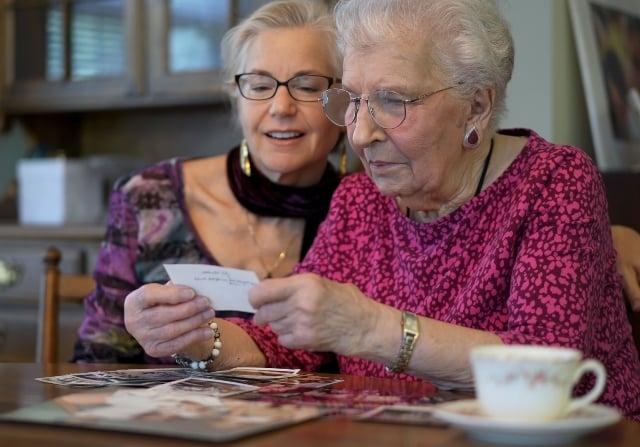
Every conversation about Alzheimer’s invites us to learn more about memory changes and to honor the people living with Alzheimer’s and the families who support them.
For anyone walking alongside a loved one, knowing what to look for and where to turn can bring clarity and confidence to your next steps.
Alzheimer's Today
Alzheimer's is the most common form of dementia, a general term for changes in memory, thinking and reasoning that affect daily life.
An estimated 7.4 million Americans age 65 and older are living with Alzheimer's, and more than 12 million people provide unpaid care for a loved one living with dementia.
Brain health is just as important as physical health to most of us, and many people are looking for practical ways to support it as they age.
Recognizing Memory Changes
Everyone misplaces their glasses or forgets a name from time to time. These moments are a typical part of aging. Memory changes that begin to affect daily routines may be a sign that it is time to talk with a doctor.
Early signs of Alzheimer's may include the following.
- Forgetting recently learned information or asking the same questions more often
- Needing more help with familiar tasks like managing a budget or following a favorite recipe
- Losing track of dates, seasons or the passage of time
- Finding it harder to follow or join a conversation
- Placing items in unusual spots and finding it harder to retrace steps
- Changes in mood, personality or interest in favorite hobbies
Taking the Next Step Together
If you notice any of these changes in someone you love, scheduling a visit with a physician is a helpful first step.
Early detection gives families time to plan for the future, explore support services and consider treatment options that may help with symptoms.
Approaching these conversations with compassion helps your loved one feel respected and included. And choosing a calm moment, using "we" language and focusing on shared goals can help everyone feel more at ease.
How Memory Care Neighborhoods Support Residents and Families
Memory care neighborhoods at communities managed by The Goodman Group are built on a simple belief that every person deserves to live with dignity, purpose and joy.
The Pearls of Life® memory care neighborhoods embrace the Montessori Inspired Lifestyle®, a person-centered approach rooted in respect, dignity and equality.
Team members get to know each resident's strengths, interests and life story, then create opportunities for meaningful engagement throughout the day. Residents may help set the table, tend to plants or lead a familiar activity they love.
Connection across generations brings joy, too. At Villa at Terracina Grand, located on the Terracina Senior Living campus in Naples, FL, a community managed by The Goodman Group, the Drawing for Dementia program brings residents together through art, creating moments of creativity and friendship.
Thoughtful design supports independence as well. Secure spaces, familiar cues and room to move freely help residents navigate their day with confidence and comfort.

Support for Families
Caring for someone living with Alzheimer's is an act of love, and families deserve support along the way.
Memory care team members partner with families through personalized care planning, regular communication and invitations to community events and celebrations.
Many families find that once daily care needs are met, they can return to simply being a spouse, son or daughter.
Every person living with Alzheimer’s has a life story that continues to unfold, and every family deserves support along the way. Learning more today helps you show up for the person you love in the ways that matter most.