Your kidneys are at work every day, balancing fluids and electrolytes, filtering your blood and helping your body process waste. Supporting them through the food you eat is one of the best ways to care for your long-term health.
Kidney health tends to be a bigger focus as we get older, with about 1 in 3 adults 65 and older managing some form of kidney disease.
Some foods are particularly valuable to support kidney health because they are high in vitamins and minerals essential for your kidneys to function.
The following foods are great additions to your diet and support kidney health at any stage of life.
Kidney-friendly Foods
- Berries. Blackberries, blueberries, raspberries and strawberries are excellent sources of fiber, manganese, vitamin C, folate and other antioxidants.
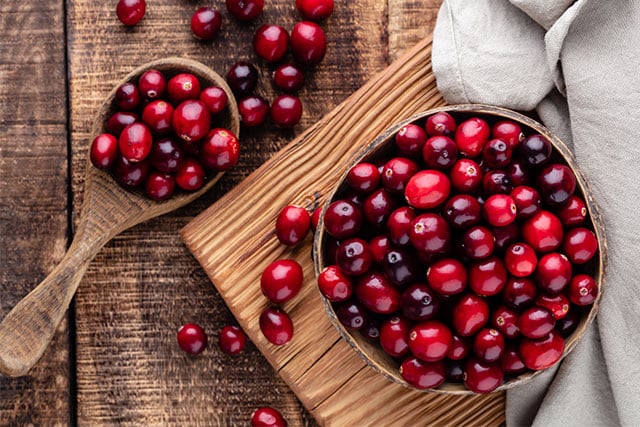
- Cranberries. Whether in the form of juice, sauce or dried, it helps prevent bladder infections, reducing the risk that bacteria might migrate up into the kidneys.
- Dark leafy greens. Spinach, kale, chard and collard greens contain various flavonoids, carotenoids, folate and vitamins such as A, C and K which promote kidney health.
- Other cruciferous vegetables. Cabbage or broccoli are high in vitamins B6, C and K, folic acid and fiber.
- Sweet potatoes offer beta-carotene, fiber and multiple vitamins and minerals including potassium. Note, however, that too much potassium is dangerous for those with kidney problems.
- Olive oil and the omega-3 fatty acids available in salmon, tuna, mackerel and sardines are also healthy foods for kidneys.
From Food List to Full Meals
How can you incorporate healthy foods for kidneys into everyday meals?
Here’s how we approach that in senior living communities managed by The Goodman Group.
It all ties together, shares The Goodman Group culinary team. Managing conditions like diabetes well is one of the best ways to protect your kidneys over time.
About 4 in 10 adults with diabetes also have some form of chronic kidney disease, which makes blood sugar management an important part of supporting kidney health.
Our team takes this same personalized approach with residents managing chronic health conditions, building meals around each person's needs.

The culinary team notes that what we put in our mouth now will affect our disease state 10 or 20 years from now. “If a new resident arrives at a later point in their disease progression,” the team explains, “we have to focus on improving their status if possible.”
“The real goal is to achieve a healthy living status for each resident,” the culinary team shares. Labels like "farm-to-table" or "made from scratch" matter less than the impact a meal has on someone's health. “What really matters,” says the culinary team, “is the impact the end product has on people.”
For example, if you have kidney disease, then organic, free-range chicken may not be a good choice if the chicken was raised on high-potassium feed.
We are more inclined to serve foods that will have the largest impact on our community members' health. We serve meals that are just as delicious as they are individualized.
A Personalized Approach
As part of our liberalized diet program, we work with each resident one-on-one to develop menu items that are nutritionally sound for them but also reflect their personal food preferences. This helps residents make healthier, more appropriate food choices.
Senior nutrition involves a lot of moving parts, from the nutrients each resident needs to the flavors and foods they enjoy. Balancing both is what makes a personalized approach so valuable.