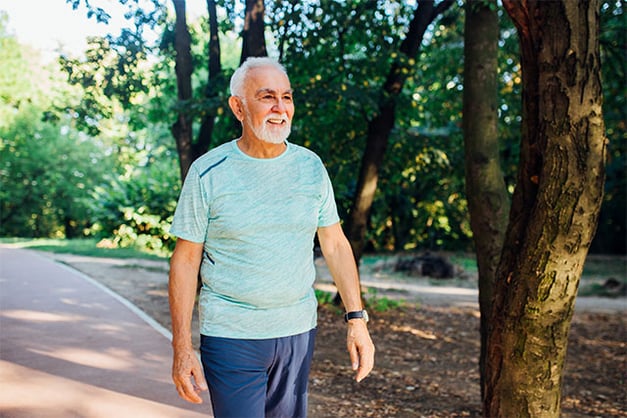
The National Institutes of Health recommends functional fitness exercises that support four fitness goals for seniors: endurance, strength, balance and flexibility. Many exercises and activities can address all four goals at once. Plus, most exercises work together to reinforce each other’s benefits.
Think about it this way: with increased endurance, you can exercise more and build greater strength and flexibility and improve your balance.
Research shows that with regular exercise, many of the physiological changes related to aging can be prevented and postponed. Adults age 65 and older who are generally fit should get at least 150 minutes of moderate-intensity aerobic activity and two days of muscle-strengthening activity every week.
These effective functional fitness exercises for seniors are simple, safe and can be done almost anywhere.
If you’re just starting an exercise program or have physical limitations, check with your doctor to make sure these exercises are right and safe for you. Many of these exercises can be modified with assistance from therapy teams to support rehabilitation goals.
Endurance Exercises
These exercises focus on working the cardiovascular system. They can improve circulation and help lower blood pressure and heart rate. Because they help you walk farther, faster and longer, they can even make everyday activities like shopping and housework easier and more enjoyable.
Try This Endurance Exercise: Walking
Walking is a wonderful form of exercise for everyone.
It offers all four types of functional fitness goals and can be adapted to any level. Plus, it strengthens major muscle groups while improving endurance, balance and flexibility. One key benefit is that you don’t need much equipment; just find some comfortable shoes you enjoy wearing, then head out your front door.
A walk in nature is not only good for the body but good for the soul, as well. Walking with a friend or family member can turn mundane exercise into a rewarding social event. If you’re not already a regular walker, or if you're rehabilitating an injury or have other physical limitations, be sure to start slowly. Even 10 minutes of normal-paced walking per day can be effective. Build up speed and duration as your body allows.
Chair-based walking exercises can provide similar benefits. Simply march in place while seated, lifting knees as high as comfortable. This modification maintains cardiovascular benefits while ensuring safety.
Other endurance-building exercises include swimming, jogging, yard work, tennis and pickleball.
New Technology Options for Fitness
Exciting new technology options are also available—virtual reality (VR) fitness programs designed specifically for seniors are showing promising results. A study published in SAGE Journals found that VR-based training significantly improved functional fitness in community-dwelling older adults, with benefits lasting up to 12 weeks after the intervention.
Programs like Rendever's RendeverFit™ combine physical activity with cognitive engagement and social interaction, making exercise more enjoyable and accessible from the comfort of a chair.
Strength Exercises
Feel the power of strengthening and toning your muscles with strength exercises. Known as resistance training, this method includes weight-lifting activities that gradually challenge your body to become stronger. Get fit using traditional weights, machines and bands–or a combination for extra intensity. Building your strength means not only building and toning muscle, but being able to carry groceries, do household chores and lift grandchildren with greater ease.
Try This Strength Exercise: Wall Push-Ups
Wall push-ups can help improve upper body strength, especially in your arms and chest, without the intense exertion of traditional floor push-ups. Stand slightly less than arm’s length from the wall, close enough to place your palms flat on it. Keeping your body straight, bend your elbows and lean forward toward the wall. Then press away from the wall to your starting position. The closer you are to the wall, the easier the exercise will be. Start close and slowly work yourself farther away as you build up strength and stamina.
Seated chest presses work similar muscles. Sit tall in a sturdy chair with feet flat on the floor. Hold light weights or water bottles at chest level with elbows bent. Push arms forward until nearly straight, then slowly return to starting position. This modification is particularly beneficial for residents recovering from surgery or managing chronic conditions.
Balance Exercises
Improving balance helps provide stability in all your daily activities. To help prevent falls, incorporate exercises that improve balance into your daily routine. Start by attempting to stand on one leg with open eyes; when you feel confident in doing so, give it another go while shutting your eyes (be sure to have support, such as a wall or table nearby–this is trickier to do than it sounds). There are also handy tools, like fitness mats and devices designed specifically for helping you improve your balance.
Try This Balance Exercise: Sit to Stand
Also called a chair squat, this exercise is simple and easy to do. You can do it every time you sit down, whether to eat, play cards, watch TV or engage in any other seated activity. Begin by standing in front of your chair, and then sit as you normally would–but before you touch the chair or transfer weight to it, stand up again. Repeat several times.
For those with limited mobility or in rehabilitation, this exercise can be modified by using chair arms for support or having a caregiver provide minimal assistance. Even partial movements help maintain muscle memory and strength. Physical therapists in skilled nursing communities often incorporate this functional movement into daily therapy sessions.
Flexibility Exercises
Flexibility exercises stretch muscles and help make them more responsive and limber. They improve ease of movement in all your activities, including reaching for items, dressing and getting in and out of cars. Combine stretching exercises with strength exercises to help you achieve balanced muscle function. Good activities to try for greater flexibility include yoga and Pilates.
There are also many good books and resources on the internet that demonstrate simple stretching exercises you can do without a class or special equipment.
Try This Flexibility Exercise: Climbing Stairs
This one is really good for maintaining flexibility in the hip and knee joints, strengthening your legs and even building or maintaining cardiac endurance. For most of us, stairs are pretty available and convenient to use. But if that’s not the case for you, take the stairs instead of the elevator the next time you visit the doctor, a friend or the mall.
Seated leg lifts provide similar hip flexor benefits without the fall risk. While seated, slowly lift one knee toward your chest as high as comfortable, hold for 2-3 seconds, then lower. Alternate legs. This exercise is ideal for those in skilled care settings or with balance concerns.
Functional fitness is training for real life, for the walks, the reaching and the everyday moments that keep you moving forward. Every small step, whether it's a short walk, a few wall push-ups or a seated stretch, builds toward greater strength, balance and independence.